Back Pain
Restores motion in restricted lumbar and thoracic segments to ease low back ache.
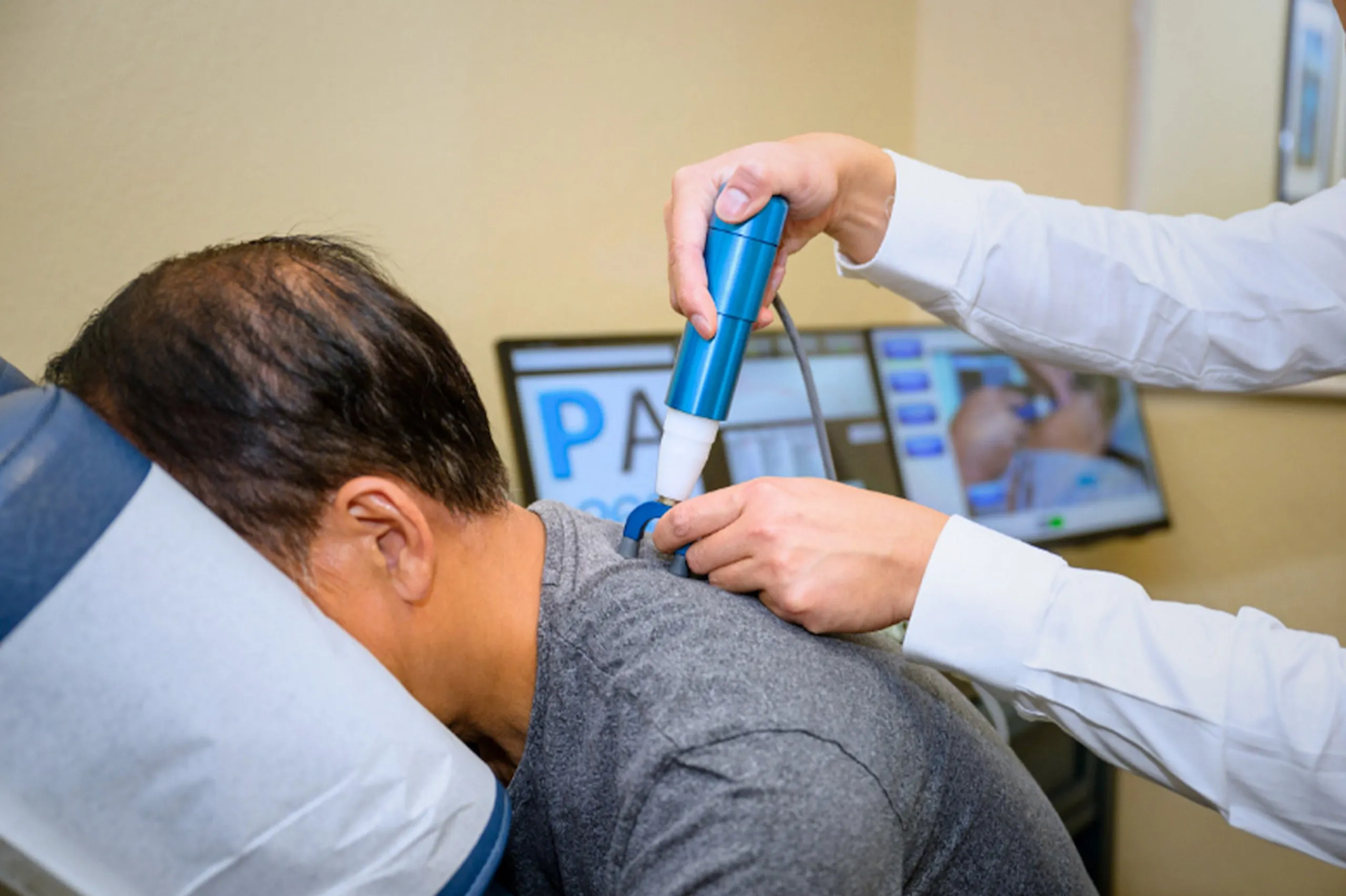
Computerized spinal adjustments individualized to each patient after a thorough evaluation, with lower‑force, no‑twist options available when appropriate.

Understanding Joint Restriction
Daily life takes a quiet toll on your spine. Hours at a desk, long commutes, repetitive lifting, old sports injuries, or a single rear-end collision can leave individual vertebrae stuck and moving poorly. You may feel a dull ache that never fully goes away, sharp catches when you turn your head, headaches that start at the base of the skull, or radiating tingling down the arm or leg. Many patients tell us they have learned to live around the pain, avoiding workouts, skipping golf, sleeping poorly, and reaching for over-the-counter medication just to get through the day.
Chiropractic adjustment with the ProAdjuster restores normal motion to those restricted joints so the nervous system can communicate without interference. Instead of a manual high-velocity thrust, Dr. Brimm uses a handheld computerized instrument that reads the joint's resistance and delivers a precise, low-force impulse. Most patients feel looser and lighter immediately, sleep better that night, and notice headaches, sciatic pain, or neck stiffness easing over the first few visits as the spine learns to hold its corrected position.
The Science of ProAdjuster Technology
A chiropractic adjustment is a controlled application of force to a specific spinal or extremity joint with the goal of restoring normal motion, reducing nerve interference, and improving function. At ProActive Chiropractic and Wellness Center in Tampa, FL, Dr. Jamie Brimm performs every adjustment with the ProAdjuster, an FDA-cleared computerized instrument that uses a piezoelectric sensor to measure joint resistance and then delivers a precise, no-force impulse to release the restriction.
The ProAdjuster touches each segment of your spine while you sit upright. The instrument reads the vibration response of the joint, identifies hypomobile (stuck) segments, and delivers a rapid, low-amplitude impulse, typically less than 20 pounds of force, faster than the body's protective muscle guarding can react. Because the impulse is so quick and so light, the surrounding muscles stay relaxed and the joint mobilizes gently, without the audible release of a manual high‑velocity adjustment. The American Chiropractic Association recognizes instrument-assisted adjusting as one of several evidence-supported techniques used in modern chiropractic practice, and the U.S. FDA regulates these computerized instruments as Class I medical devices.
You stay fully clothed and seated in an upright chair. Dr. Brimm moves the ProAdjuster head along your spine, the computer charts resistance segment by segment, and adjustments are delivered exactly where the data shows restriction. The technique is lower‑force and uses no twisting or sudden movements. Most sessions last 15 to 25 minutes and you walk out without bracing or downtime, ready to drive home, return to work, or head straight to a workout.
Many patients feel reduced tension and improved mobility immediately after the first visit. Lasting structural change usually requires a short corrective phase followed by maintenance care. Dr. Brimm reviews your chiropractic care at ProActive plan after the initial exam so you know exactly what to expect.
Computerized, Evaluation‑Based Precision
A computer‑guided impulse delivers a precise, lower‑force adjustment. Each treatment is selected based on Dr. Brimm's evaluation.
Low-force delivery suits seniors, athletes, and apprehensive first-time patients.
Sensor data shows exactly which segments need correction and tracks progress.
No bracing or downtime, you can drive, work, or train immediately.
Targets joint dysfunction and nerve interference, not just pain symptoms.
Compare Your Options
| Treatment | Mechanism | Time | Results | Duration | Downtime | Best For |
|---|---|---|---|---|---|---|
| Chiropractic Adjustment with ProAdjuster | Computerized low-force impulse to restricted joints | 15 to 25 minutes | Often immediate relief | Maintained with periodic visits | None | Patients who benefit from a computerized, lower‑force adjustment based on evaluation |
| Manual Spinal Manipulation | Hands-on high-velocity thrust | 10 to 20 minutes | Often immediate relief | Maintained with periodic visits | Mild soreness possible | Patients comfortable with audible adjustment |
| Physical Therapy | Exercise and modalities | 45 to 60 minutes | Gradual over weeks | Requires home exercise | None | Post-surgical rehab and strengthening |
| Pain Medication | Pharmacologic symptom control | Minutes to onset | Temporary masking | While medicated | Possible side effects | Short-term acute pain control |

Finding Your Best Spinal Care Path
Chiropractic adjustment with the ProAdjuster benefits a broad range of patients, especially those who prefer a lower‑force, no‑twist approach to spinal care. After a focused exam, Dr. Brimm builds a personalized care plan and discusses how the ProAdjuster fits with other services like myofascial release therapy with Rapid Release Technology.
According to peer-reviewed research on instrument-assisted adjusting, low-force mechanical adjustment is generally well tolerated. Dr. Brimm screens for absolute contraindications during your initial exam and refers out promptly when imaging or co-management is the right call.
Step-by-Step Process
Dr. Brimm reviews your history, screens for red flags, and runs an orthopedic and neurologic exam.
Dr. Brimm glides the ProAdjuster sensor along your spine to map restricted segments.
Dr. Brimm delivers low-force impulses precisely to the segments identified as hypomobile.
Dr. Brimm re-scans to confirm motion is restored and reviews home-care guidance with you.
What to Know
Most patients tolerate ProAdjuster sessions extremely well. The most common short-term effects are mild muscle soreness in the treated area or temporary fatigue, similar to how you might feel after a focused workout. These typically resolve within 24 to 48 hours and respond well to hydration, light movement, and ice or heat.
Serious adverse events from instrument-assisted chiropractic adjustment are rare. Reported events include transient headache or dizziness in a small minority of patients. Manipulation of the upper cervical spine carries a very low, well-documented risk of vertebral artery injury, and the ProAdjuster's low-force, no-twist mechanism is specifically designed to minimize that profile. Reference published safety data on mechanical-force chiropractic adjustment for incidence figures.
The ProAdjuster is regulated by the U.S. FDA as a Class I medical device for chiropractic use. Dr. Brimm's 20 years of clinical experience, combined with his focused ProAdjuster training, allow him to screen out contraindications, set conservative force levels, and monitor your response visit by visit. If anything in your case warrants imaging or co-management with another provider, Dr. Brimm will tell you and coordinate the referral.
Chiropractic adjustment fees in the Tampa, FL market typically range from $50 to $90 per visit, with initial exams and consultations priced separately. Your exact cost depends on the complexity of your case, whether imaging is needed, and the number of visits in your corrective care plan. ProActive Chiropractic and Wellness Center believes in pricing transparency, so Dr. Brimm reviews the full plan and out-of-pocket estimate with you before any care begins.
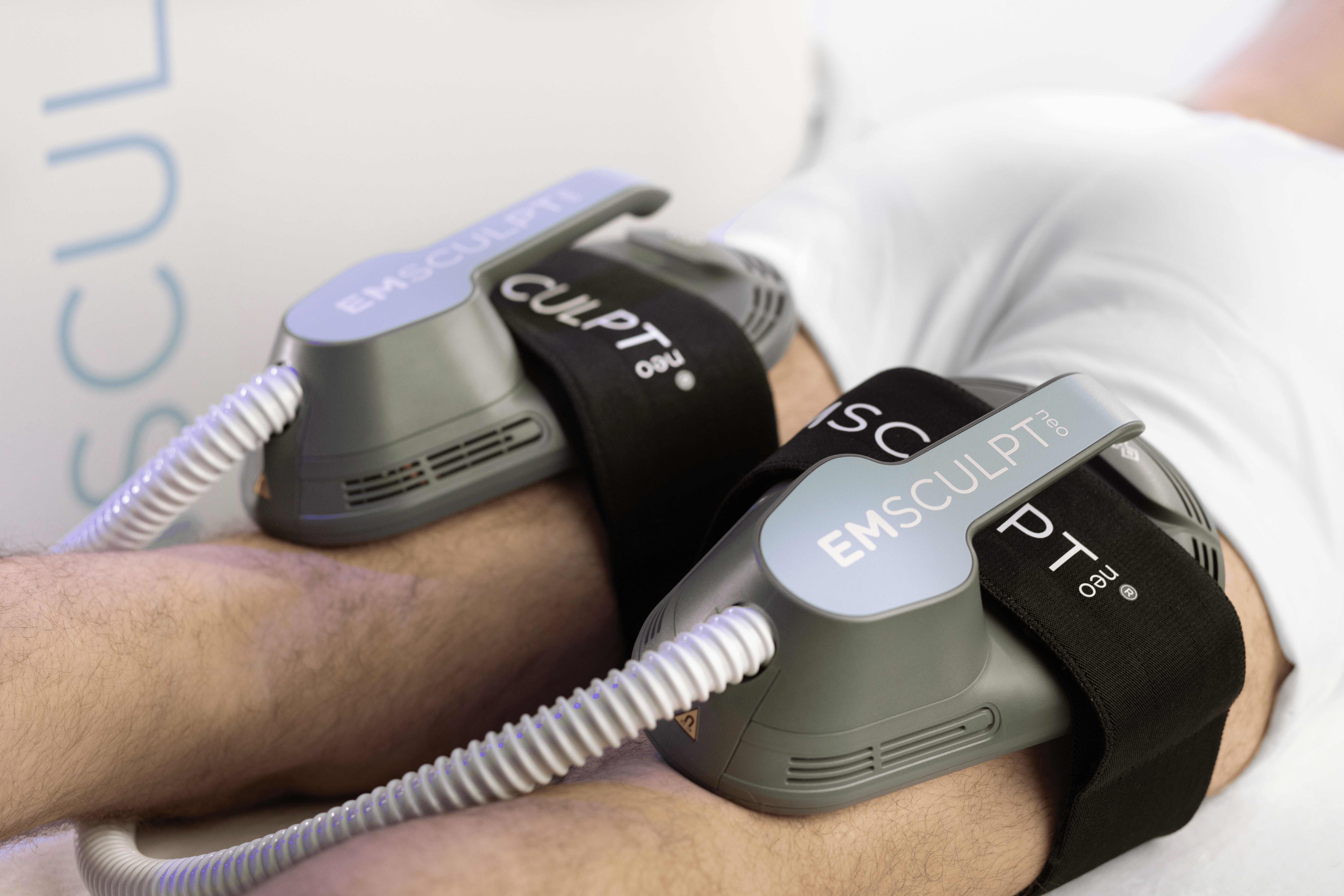
Many patients choose to pair adjustments with complementary services in the wellness program, including Emsculpt Neo for core muscle strengthening alongside chiropractic care. Bundled visits or wellness packages may reduce the per-visit cost.
To make care accessible we accept a range of payment methods:
Tampa's Trusted Provider
Dr. Brimm sees you every visit, no handoffs to associates or rotating staff.
Specific training in computerized instrument adjusting since founding the clinic.
Adjustments paired in-house with soft tissue, body, and brain wellness services.
Dedicated time blocks with no waiting room overflow or rushed visits.
Pair your adjustment with these complementary treatments at ProActive.
Your Questions Answered
The ProAdjuster is an FDA‑cleared computerized chiropractic instrument that uses a piezoelectric sensor and a low‑force impulse to identify and release restricted spinal joints using a lower‑force, no‑twist technique.
Most patients describe the ProAdjuster as a light tapping sensation. It is a computerized, lower‑force adjustment, and Dr. Brimm tailors each session based on her evaluation of the patient. Because it is a gentler technique without the high‑velocity thrust associated with manual adjustments, nervous and older patients typically tolerate it especially well.
Published research on instrument-assisted adjusting shows clinical outcomes comparable to manual technique for many common spinal complaints. Dr. Brimm tailors the choice of technique to your specific case.
ProAdjuster chiropractic adjustment is used for back pain, neck pain, headaches, sciatica, sports injuries, disc‑related discomfort, and other spinal joint dysfunction.
Acute cases often resolve within 4 to 8 visits. Chronic or more complex cases typically require a longer plan. Dr. Brimm gives you a clear estimate after the initial exam.
Yes. ProActive often pairs adjustments with myofascial release therapy using Rapid Release Technology and with Emsculpt Neo for core strengthening to support lasting spinal stability.